
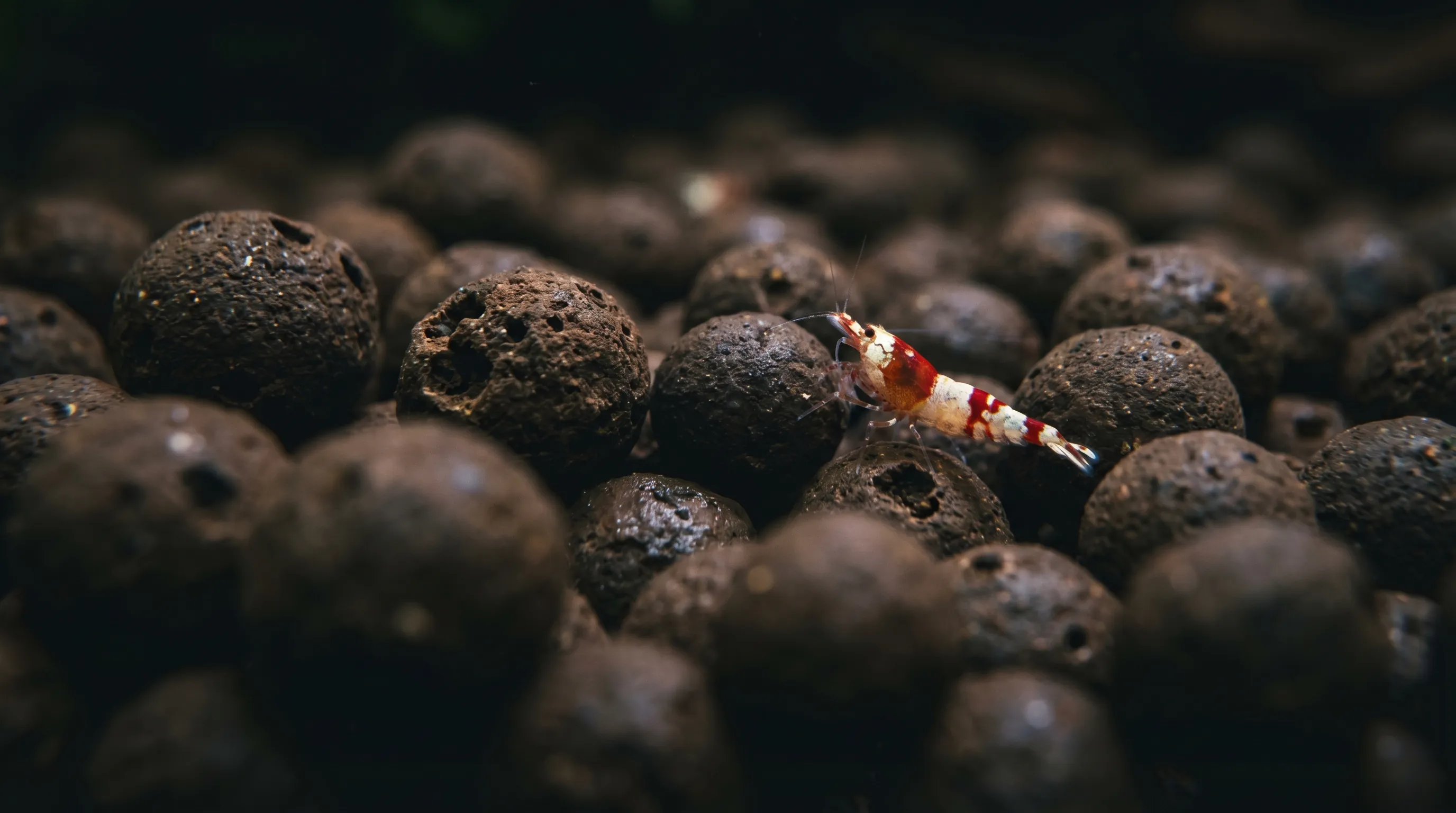
When setting up a tank for sensitive Caridina shrimp like Crystal Reds, Taiwan Bees, or other species requiring soft, acidic water, the choice of substrate becomes critical. Unlike inert substrates (sand, gravel), active substrates, often called buffering soils, play a dynamic role in shaping water chemistry. This guide explains what active substrates are, why they’re beneficial for Caridina, and how to use them effectively.
(Unsure if you need active soil? See our Substrate Overview and Caridina vs Neocaridina Guide)
What is Active Substrate?
Active substrates are typically clay-based, granular soils specifically manufactured for aquariums, particularly planted tanks and shrimp tanks.
- Buffering Capacity: Their primary function is to lower and stabilize the pH and KH (Carbonate Hardness) of the water. They contain humic acids and other compounds that absorb carbonates (reducing KH) and release acids, pushing the pH into the acidic range (typically 5.5 - 6.8).
- Nutrient Content: Many active soils are also rich in nutrients beneficial for aquatic plant growth, although this is secondary for shrimp-only tanks.
- Softening Effect: By removing carbonates (KH), they help maintain the soft water conditions (low GH/KH) that Caridina shrimp require.
Why Use Active Substrate for Caridina?
Caridina shrimp generally originate from environments with soft, slightly acidic water. Maintaining these conditions in an aquarium using typical tap water can be difficult due to its often higher pH and KH.
- pH/KH Stability: Active substrates create and maintain the low pH (below 7.0) and near-zero KH environment essential for Caridina health, breeding, and molting.
- Simplifies Water Prep: When used with RO/DI water remineralized only for GH (using a GH+ product), active soil handles the pH and KH buffering automatically, simplifying parameter management. (See our RO/DI & Remineralizer Guide)
Popular Active Substrates
Several brands are popular among shrimp keepers:
- ADA Aqua Soil Amazonia: A long-standing favorite, known for excellent buffering and plant growth. Can leech ammonia initially.
- Amazon: ADA Aqua Soil Amazonia on Amazon
- Fluval Plant & Shrimp Stratum: Readily available, generally leeches less ammonia than Amazonia, moderate buffering.
- Amazon: Fluval Stratum on Amazon
- Brightwell Aquatics Rio Escuro / Rio Cafe: Shrimp-focused soils designed for low pH buffering.
- SL-Aqua Nature Soil: Popular shrimp-specific brand with good buffering capacity.
- UNS Controsoil: Another popular option known for less initial ammonia leeching.
- Amazon: UNS Controsoil on Amazon
Setting Up a Tank with Active Substrate
- Do Not Rinse: Unlike inert substrates, active soils should generally not be rinsed, as this can remove beneficial compounds and cause the granules to break down.
- Add to Tank: Gently add the desired amount (usually 1.5-3 inches depth) to the empty tank.
- Slow Water Fill: Fill the tank very slowly to avoid excessive cloudiness. Pouring water onto a plate or plastic bag placed on the substrate helps minimize disturbance.
- Cycling Considerations:
- Ammonia Leeching: Many active soils (especially nutrient-rich ones like Amazonia) will leech ammonia for the first few weeks. This can actually help kickstart the nitrogen cycle.
- Longer Cycle: Expect the cycling process to potentially take longer (6-10 weeks or more) as the soil establishes and ammonia levels stabilize.
- Test Regularly: Monitor ammonia, nitrite, and nitrate levels closely throughout the cycle.
- Water Changes During Cycle: Perform water changes if ammonia or nitrite levels spike extremely high, but less frequently than you might with inert substrate to allow the soil to buffer.
- Patience: Do not add shrimp until the cycle is fully complete (0 Ammonia, 0 Nitrite) and the pH has stabilized within the target range for your Caridina species.
Managing Active Substrate Lifespan
- Buffering Depletion: Active substrates have a finite buffering capacity. Over time (typically 1-3 years, depending on the brand, water change routine, and initial KH of source water if not using RO), they will become exhausted and no longer effectively lower pH/KH.
- Signs of Exhaustion: You’ll notice the tank’s pH and KH starting to rise closer to your source water levels, even after water changes.
- Maintenance: Gentle vacuuming of the surface is okay, but avoid deep vacuuming which can damage granules and reduce lifespan.
- Replacement: Once exhausted, the substrate needs to be replaced to maintain optimal Caridina parameters. This often involves a full tank breakdown and re-scape.
Potential Issues
- Initial Ammonia Spike: Can be harmful if shrimp are added too early. Requires patience during cycling.
- Cloudiness: Initial cloudiness upon filling is common. It usually settles within a day or two with filtration.
- Breakdown: Over time or with excessive disturbance, granules can break down into mud, especially softer types.
- Cost: Active substrates are generally more expensive than inert options.
Conclusion
Active, buffering substrates are a powerful tool and often considered essential for successfully keeping and breeding sensitive Caridina shrimp that require soft, acidic water. By understanding how they work, choosing an appropriate brand, cycling the tank patiently, and monitoring parameters, you can leverage these soils to create the stable, ideal environment your Caridina need to thrive. Remember to pair them with RO/DI water and a GH-only remineralizer for best results.
| Feature | Neocaridina | Caridina |
|---|---|---|
| pH | 6.5-7.5 | 6.0-7.0 |
| GH (General Hardness) | 4-8 dGH | 4-6 dGH |
| KH (Carbonate Hardness) | 0-5 dKH | 0-2 dKH (Ideally 0) |
| TDS (Total Dissolved Solids) | 150-250 ppm | 100-150 ppm |
- Neocaridina: Can generally tolerate a wider range of water parameters, making them easier to keep in a standard aquarium setup. Tap water, treated with a water conditioner, is often suitable.
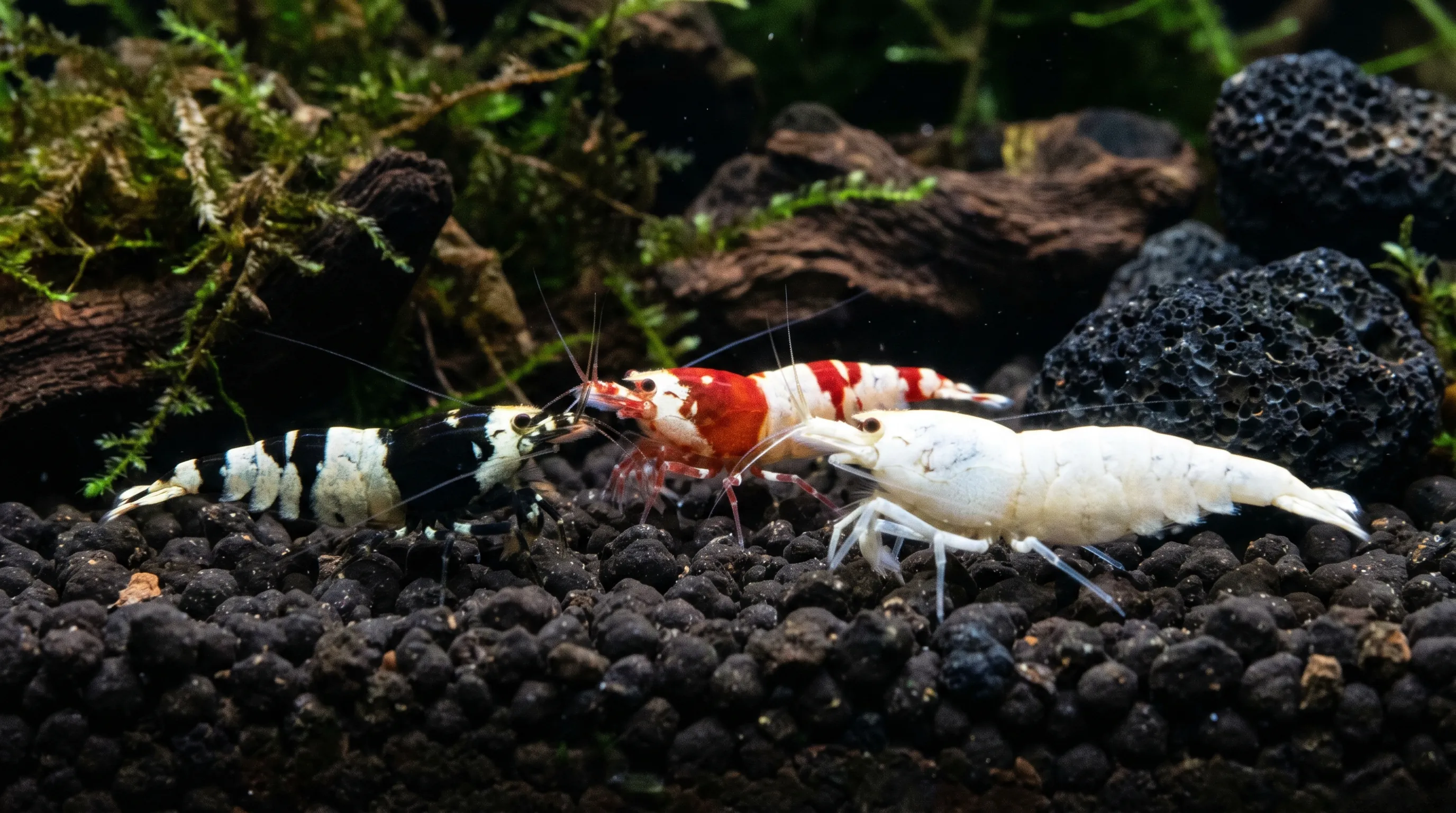
- Caridina: Require very specific and stable water parameters. They typically need RO/DI water remineralized with a shrimp-specific remineralizer to achieve the correct GH, KH, and TDS levels.


Discussion