
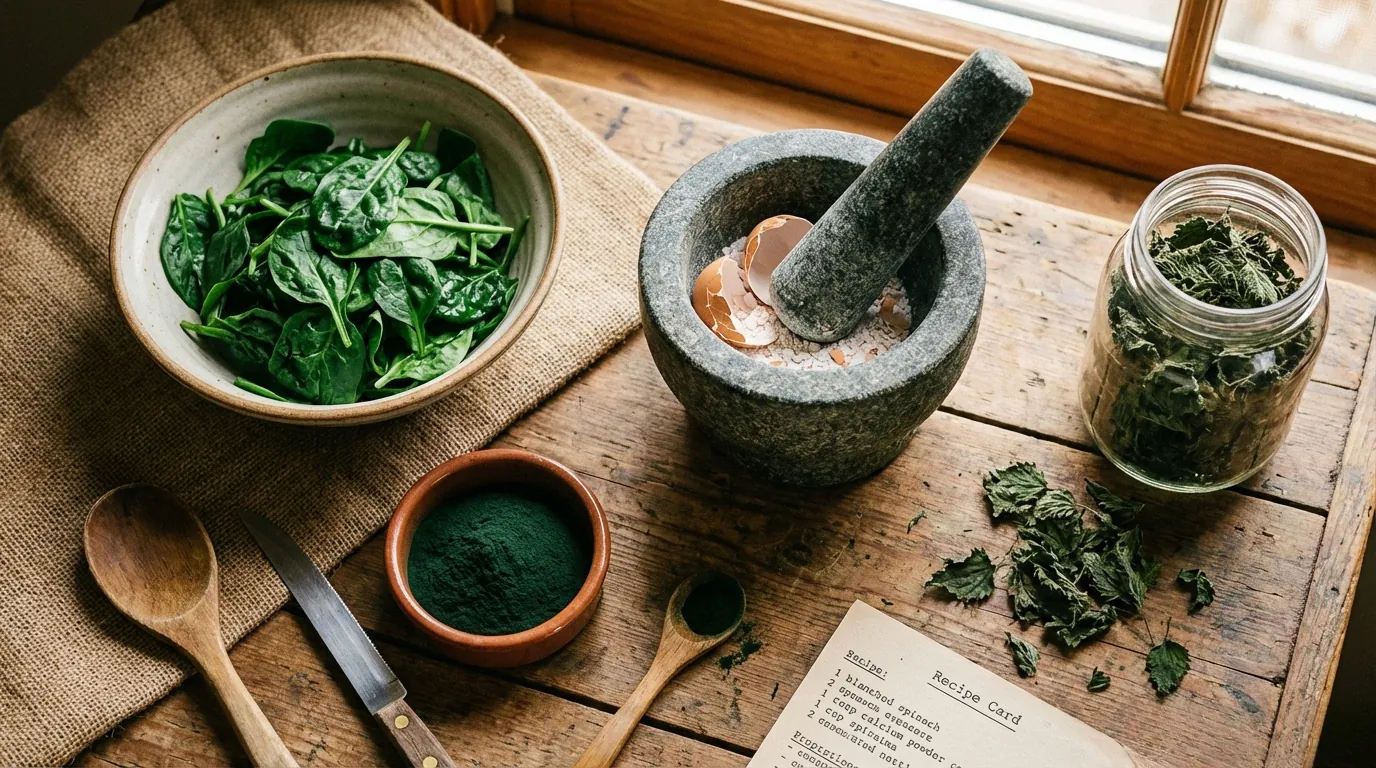
While high-quality commercial shrimp foods provide excellent nutrition, supplementing your shrimp’s diet with homemade foods and natural additions can offer variety, enrichment, and specific benefits. This guide explores simple DIY food options and common natural supplements popular in the shrimp-keeping hobby.
(For basics, see our main Feeding Your Shrimp Guide)
Disclaimer: Always research ingredients thoroughly. Ensure they are pesticide-free and aquarium-safe. Introduce new foods in small quantities to gauge your shrimp’s reaction and avoid polluting the tank.
Simple DIY Shrimp Foods
1. Blanched Vegetables:
- Why: Excellent source of vitamins and minerals, readily accepted by most shrimp.
- Popular Choices: Spinach, Zucchini, Cucumber, Kale, Carrots, Sweet Potato, Green Beans, Peas (remove skin).
- Preparation: Wash thoroughly. Blanch (boil briefly for 1-3 minutes until slightly softened) or steam. Some denser vegetables like carrot/sweet potato need longer. Cool completely before adding to the tank.
- Feeding: Use a veggie clip or skewer. Remove uneaten portions within 12-24 hours to prevent water fouling.
2. Homemade Gel Food (Simple Base):
- Why: Allows customization, binds ingredients, sinks readily, less messy than loose powders.
- Basic Recipe Concept:
- Binder: Unflavored Gelatin or Agar-Agar.
- Dry Ingredients: Finely crushed high-quality shrimp pellets/flakes, spirulina powder, chlorella powder, dried nettle powder, calcium powder (cuttlebone/eggshell).
- Wet Ingredients (Optional): Pureed blanched vegetables (spinach, zucchini).
- Preparation (General Steps):
- Mix dry ingredients thoroughly.
- Prepare gelatin/agar-agar according to package directions using aquarium-safe water (RO/DI or dechlorinated tap).
- Stir dry ingredients (and optional pureed veg) into the hot gelatin/agar mixture until well combined.
- Pour into a shallow dish or ice cube tray.
- Refrigerate until firm.
- Cut into small, shrimp-sized cubes.
- Storage: Store in the refrigerator (few days) or freezer (longer term) in an airtight container.
- Feeding: Feed small portions, remove uneaten food after a few hours.
- Amazon: Spirulina Powder on Amazon
- Amazon: Calcium Powder/Cuttlebone on Amazon
Natural Supplements & Tank Additions
These items provide grazing surfaces, hiding places, and release beneficial compounds.
1. Leaf Litter:
- Types: Indian Almond Leaves (Catappa), Mulberry Leaves, Guava Leaves, Oak Leaves (ensure collected from pesticide-free areas and properly dried/prepared).
- Benefits: Releases tannins (antifungal/antibacterial properties, slight pH lowering), provides hiding places, breaks down into biofilm for grazing.
- Usage: Add dried leaves directly to the tank. They will sink after a day or two. Replace as they decompose.
- Amazon: Indian Almond Leaves on Amazon
- Amazon: Mulberry Leaves for Shrimp on Amazon
2. Alder Cones:
- Benefits: Similar to leaf litter, releases tannins, provides antifungal/antibacterial properties, lowers pH slightly. Excellent grazing surface.
- Usage: Add a few cones per 5-10 gallons. Boil briefly before adding to help them sink and sterilize.
3. Cholla Wood:
- Benefits: Porous wood provides excellent surface area for biofilm growth. Offers hiding places for shrimplets.
- Usage: Boil before adding to waterlog it and remove tannins if desired (though tannins are beneficial). Breaks down slowly.
- Amazon: Cholla Wood on Amazon
4. Bee Pollen:
- Benefits: Considered highly nutritious, potentially boosting immune systems and breeding. Rich in proteins, vitamins, and minerals.
- Usage: Feed very sparingly (a few granules per 10 shrimp) once or twice a week. Can foul water quickly if overfed. Ensure it’s pure, high-quality bee pollen.
5. Mineral Supplements (Natural Forms):
- Types: Crushed Cuttlebone, Powdered Eggshells, Mineral Rocks (e.g., Tourmaline balls - benefits debated).
- Benefits: Provide a slow-release source of calcium, aiding in molting.
- Usage: Add small pieces of cuttlebone or eggshell (boiled, membrane removed) directly to the tank or filter. Use mineral rocks per manufacturer instructions.
Important Considerations
- Water Quality: Always monitor water parameters when adding new foods or supplements. Remove uneaten food promptly.
- Pesticides: Source all vegetables, leaves, and botanicals carefully to ensure they are free from harmful pesticides or chemicals.
- Moderation: Variety is good, but don’t constantly change the diet. Offer supplements and DIY foods in moderation alongside a quality staple commercial food.
- Observation: Watch your shrimp. If they don’t eat a particular food, remove it. If you notice any negative effects, discontinue use.
Conclusion
Exploring DIY foods and natural supplements can be a fun and beneficial aspect of shrimp keeping. Simple blanched vegetables, leaf litter, and alder cones are easy starting points that provide tangible benefits. More complex gel foods allow for customized nutrition. Always prioritize safety, source ingredients carefully, introduce new items slowly, and observe your shrimp’s response to ensure you’re enhancing their diet without compromising their health or water quality.


Discussion